
 EN
 ES

In today’s TNK Photo session, I’m excited to share my initial impressions of the new Godox R2 Nano S, also known as the Flashpoint R2 Nano S for Sony users. This model is similar to the Godox version, which might be referred to as the X Nano or X3. Despite the name changes, the functionality remains a key focus.
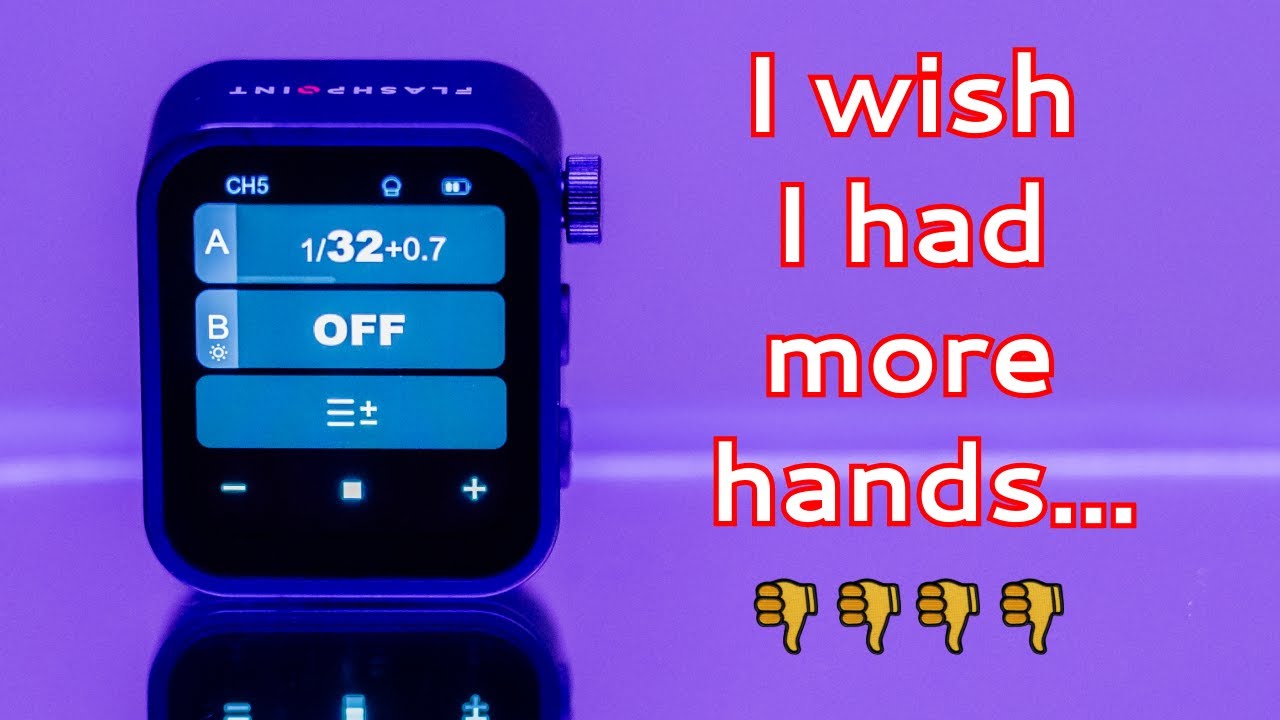
Early Impressions of the Godox R2 Nano S
The R2 Nano S is a compact device, and I’ll discuss why I personally would not recommend it if you already possess its predecessor, the XPR SN F, for your camera system. Initially, Godox had the X1T trigger, which was decent but not exceptional. It featured a straightforward, albeit not the most intuitive, interface and allowed for additional flash attachment on top, which was a practical design choice as it enabled the firing of other flashes in a room.

Transition to Newer Models
Over time, as on-camera flashes began to double as transmitters, the need for separate triggers like the X1T diminished. This shift brought us to the X Pro trigger, an upgrade I still recommend due to its ease of use and intuitive interface, despite its minor quirks, such as the battery indicator issue.

Evaluating the R2 Nano
Moving on to the newest model, the R2 Nano S, it introduces a flashy startup sequence that, frankly, I find unnecessary. It takes a few seconds to turn on each time, which can be critical when you’re trying to capture moments quickly, such as during a sunset. The placement of the dial on the device also feels counterintuitive, as it requires awkward hand positioning to adjust settings, which could be streamlined for better usability.

Interface and Functionality
While the R2 Nano S boasts a visually appealing interface, reminiscent of an Apple Watch, and offers high-definition display quality, these aesthetic improvements don’t necessarily enhance its functionality. Adjusting the intensity of the modeling lamp is a new feature, but the simplicity of the previous model’s single-button operation was more straightforward.

Conclusion and Recommendations
In summary, if you are new to off-camera lighting, starting with the R2 Nano could be beneficial due to its modern features. However, for those already equipped with the X Pro, it’s advisable to stick with it until a more significant upgrade is necessary. I purchased the R2 Nano primarily to provide a detailed review, and while my initial thoughts lean towards sticking with the X Pro, I plan to conduct further testing to give a comprehensive evaluation.
Let me know your experiences if you’ve tried the R2 Nano. Have you found the new features beneficial, or do they complicate your workflow? Your feedback is invaluable. Thank you for tuning in, and don’t hesitate to subscribe if you found this review helpful as we continue to grow our channel.


